
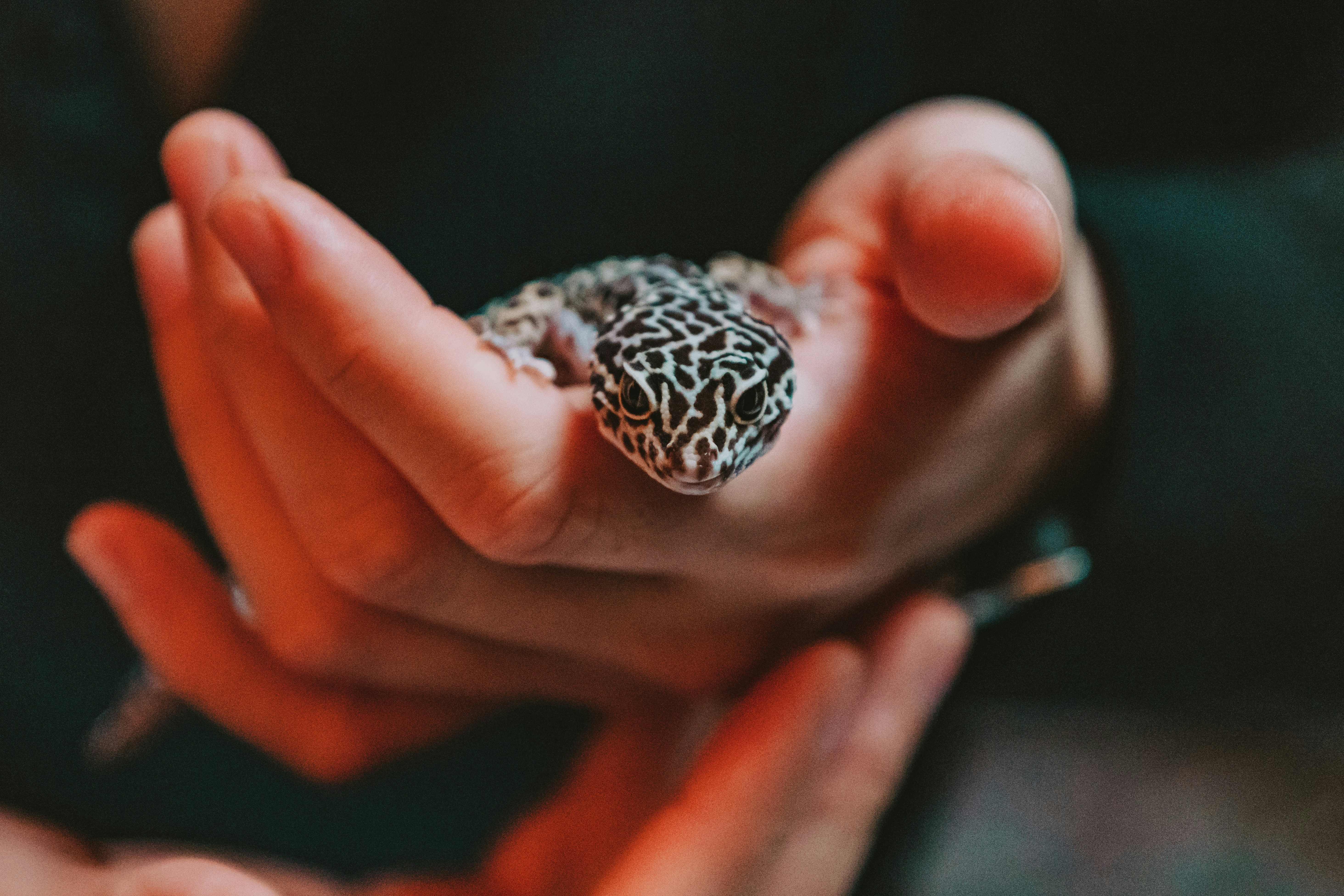
Mango, 3 yrs
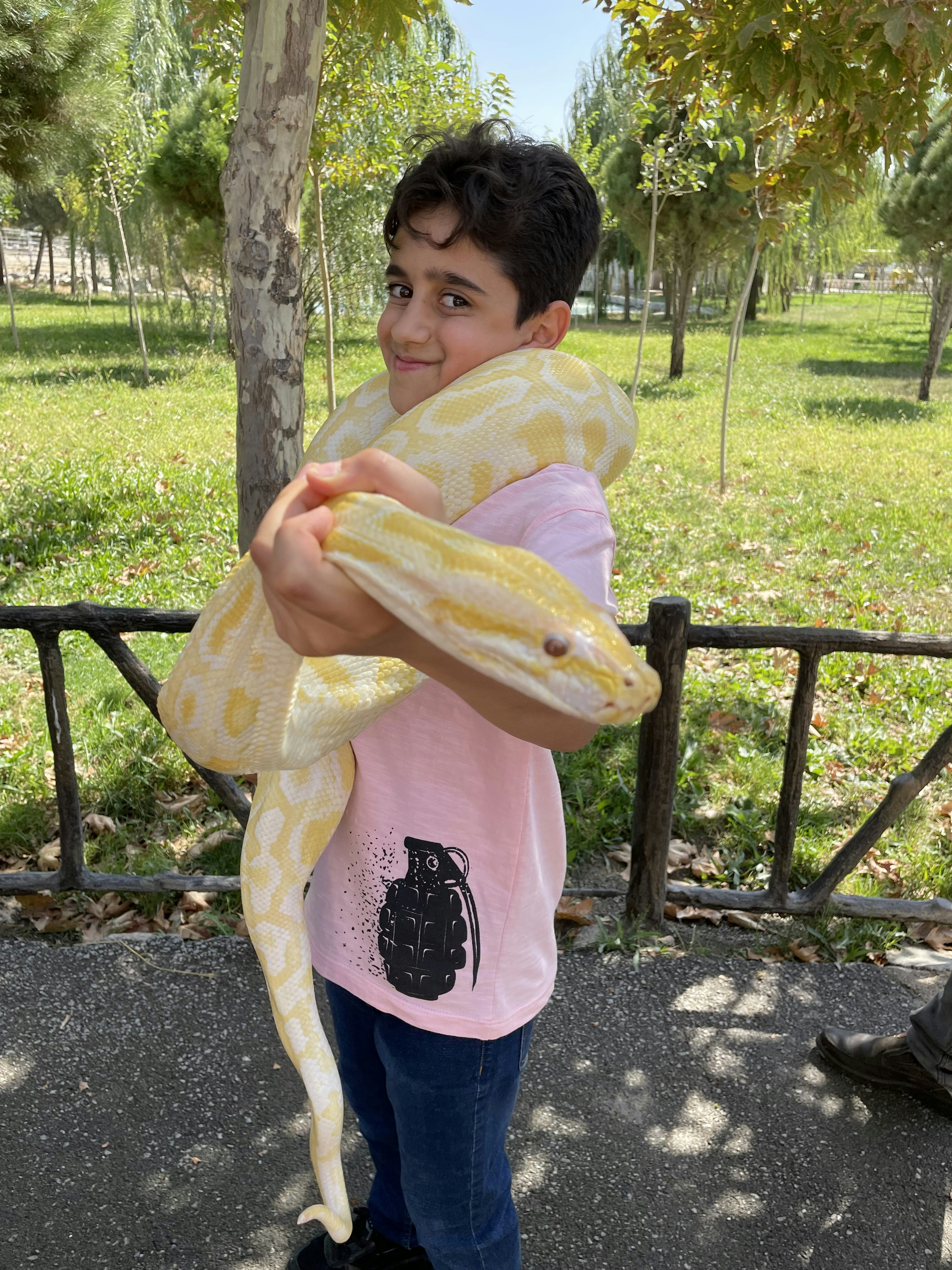
Noodle's first kid
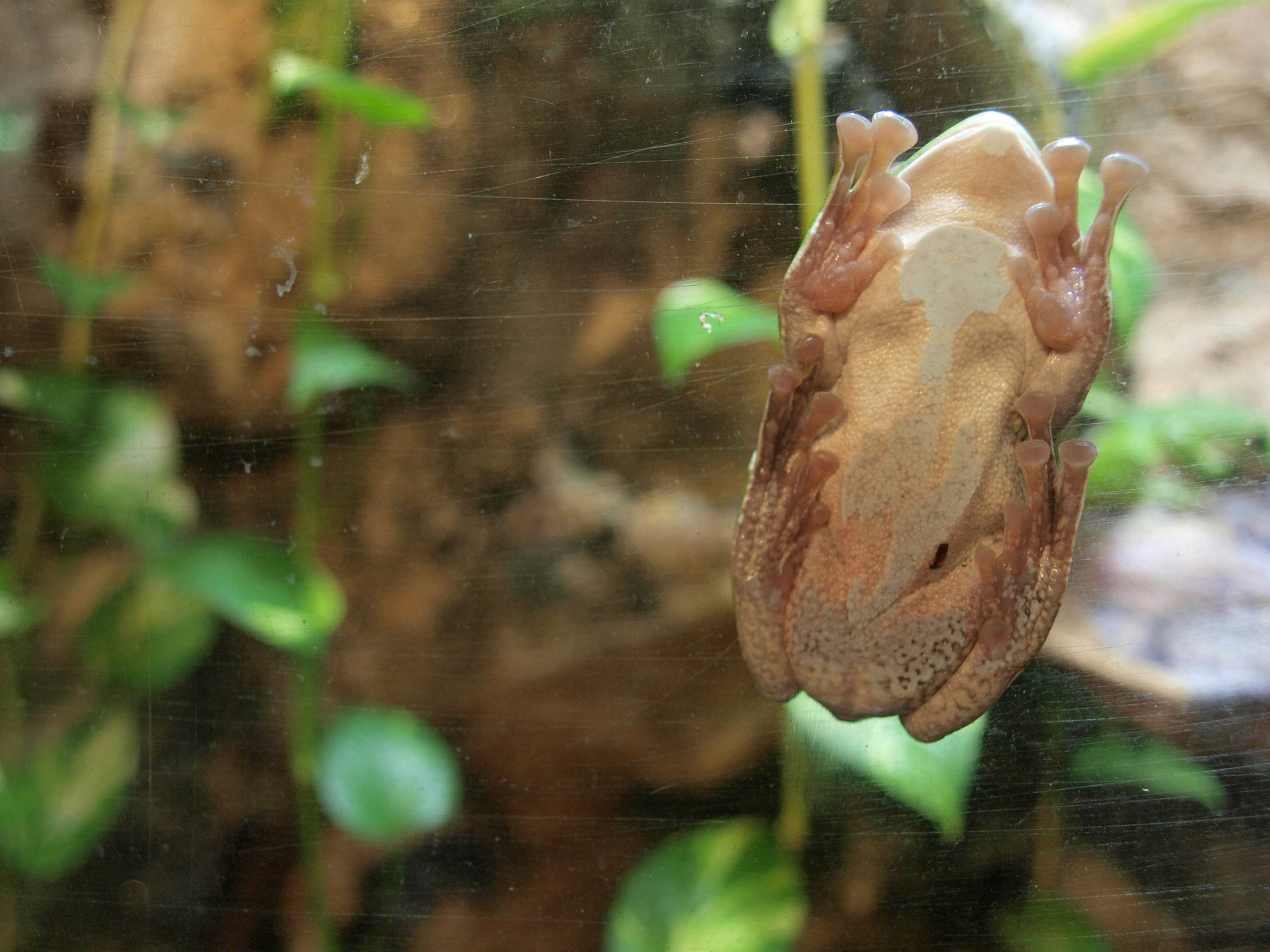
Fern after misting
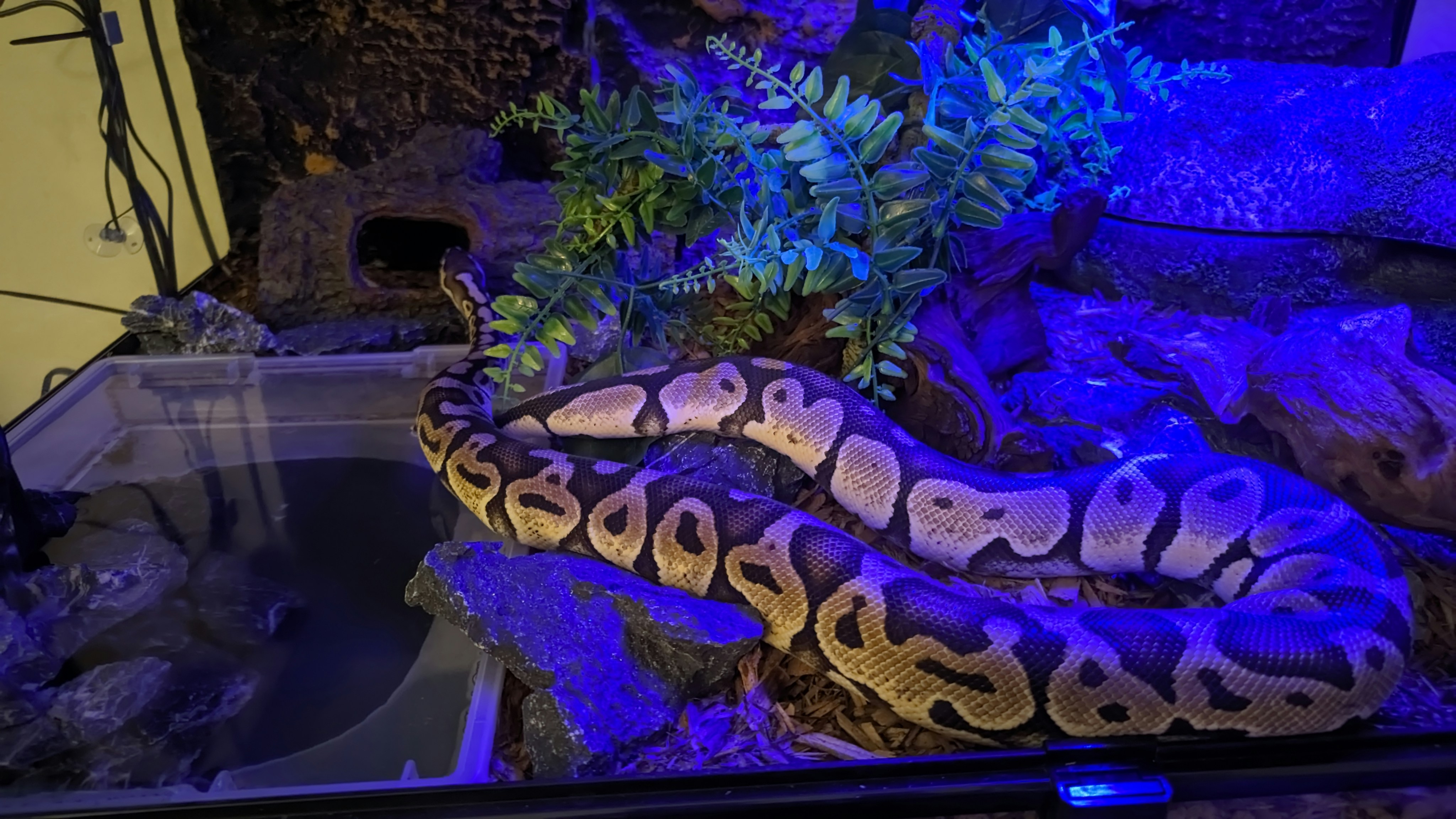
Pretzel doing Pretzel things
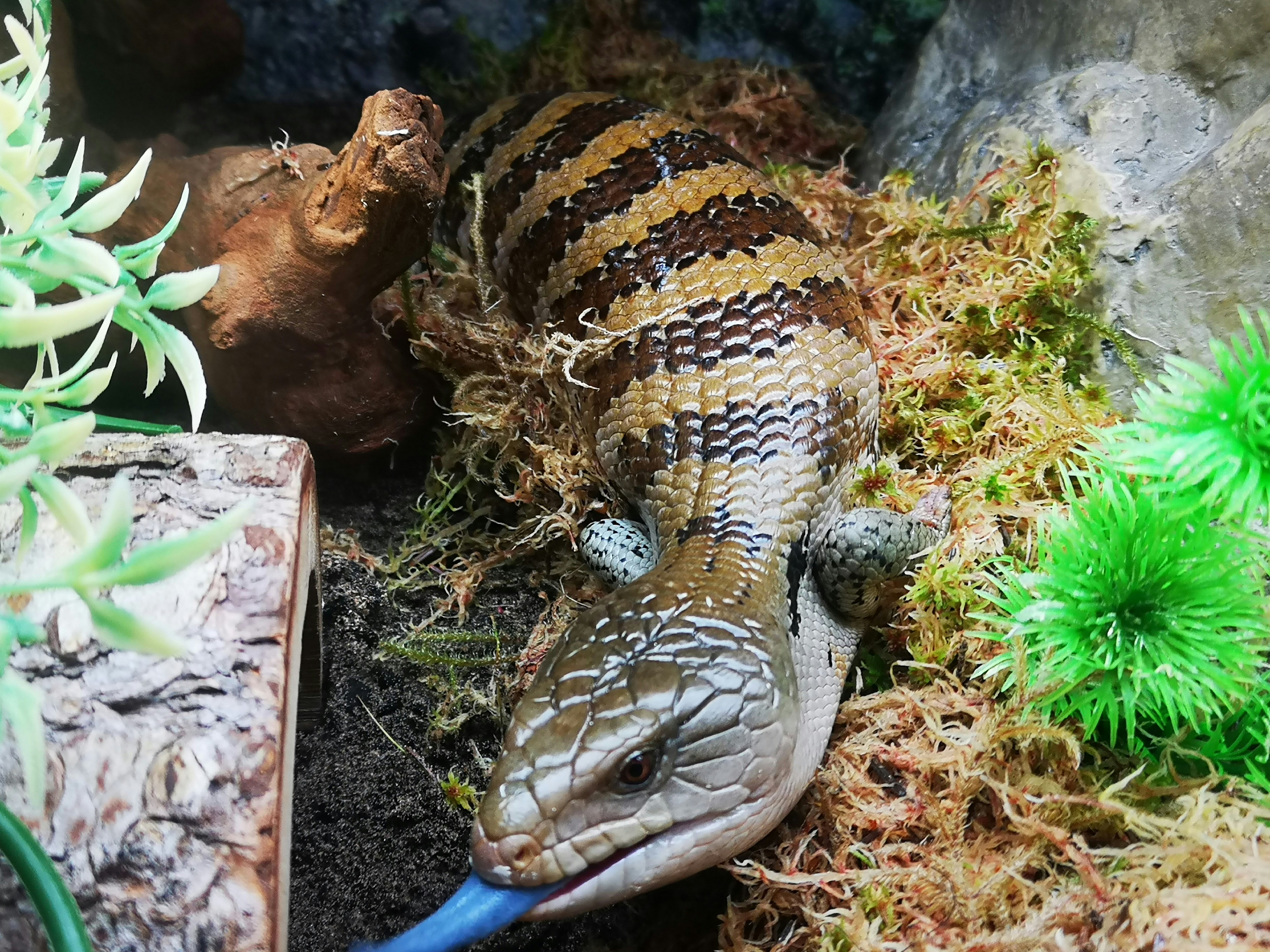
Slate, exploring
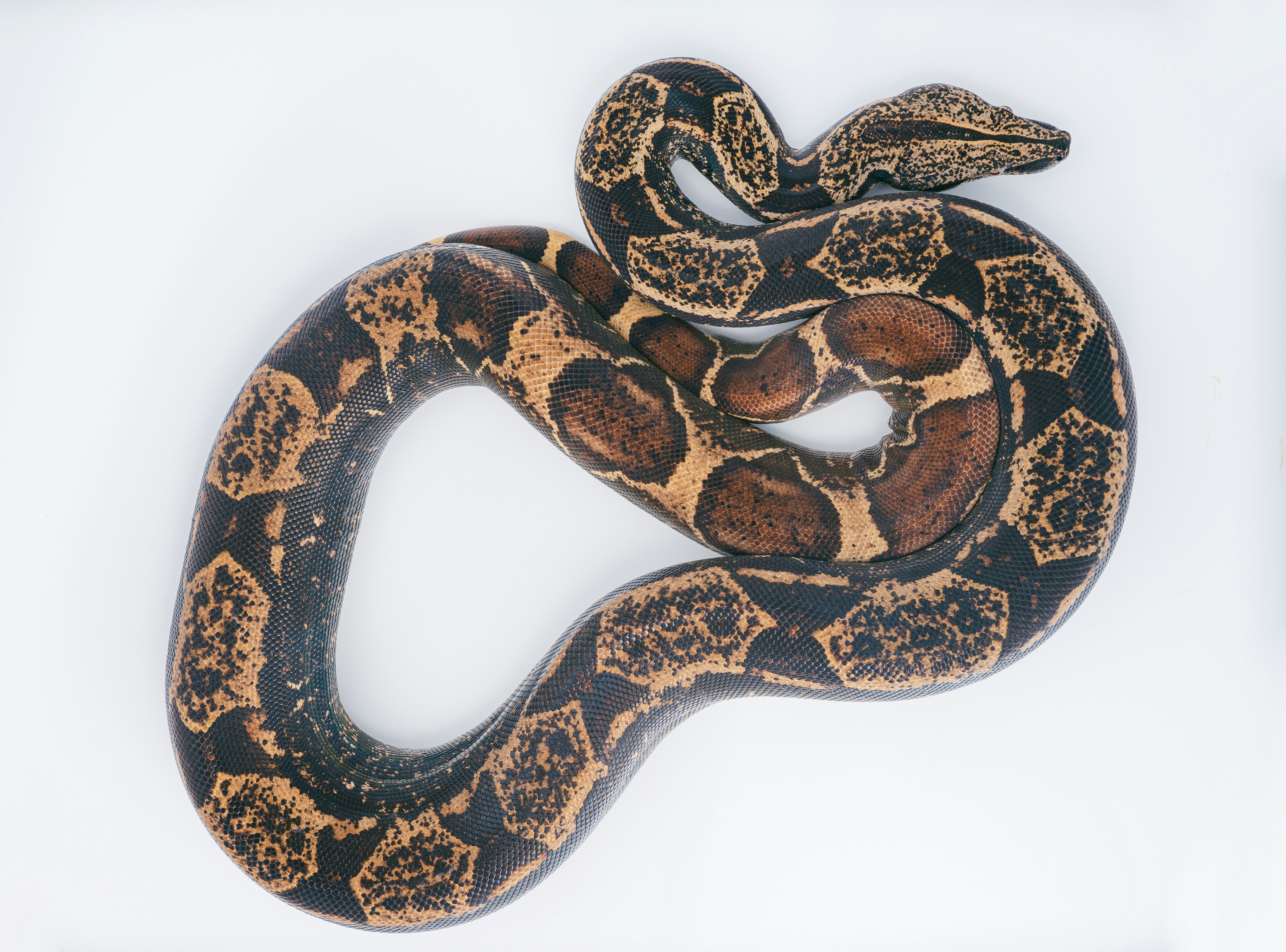
Duchess, always judging
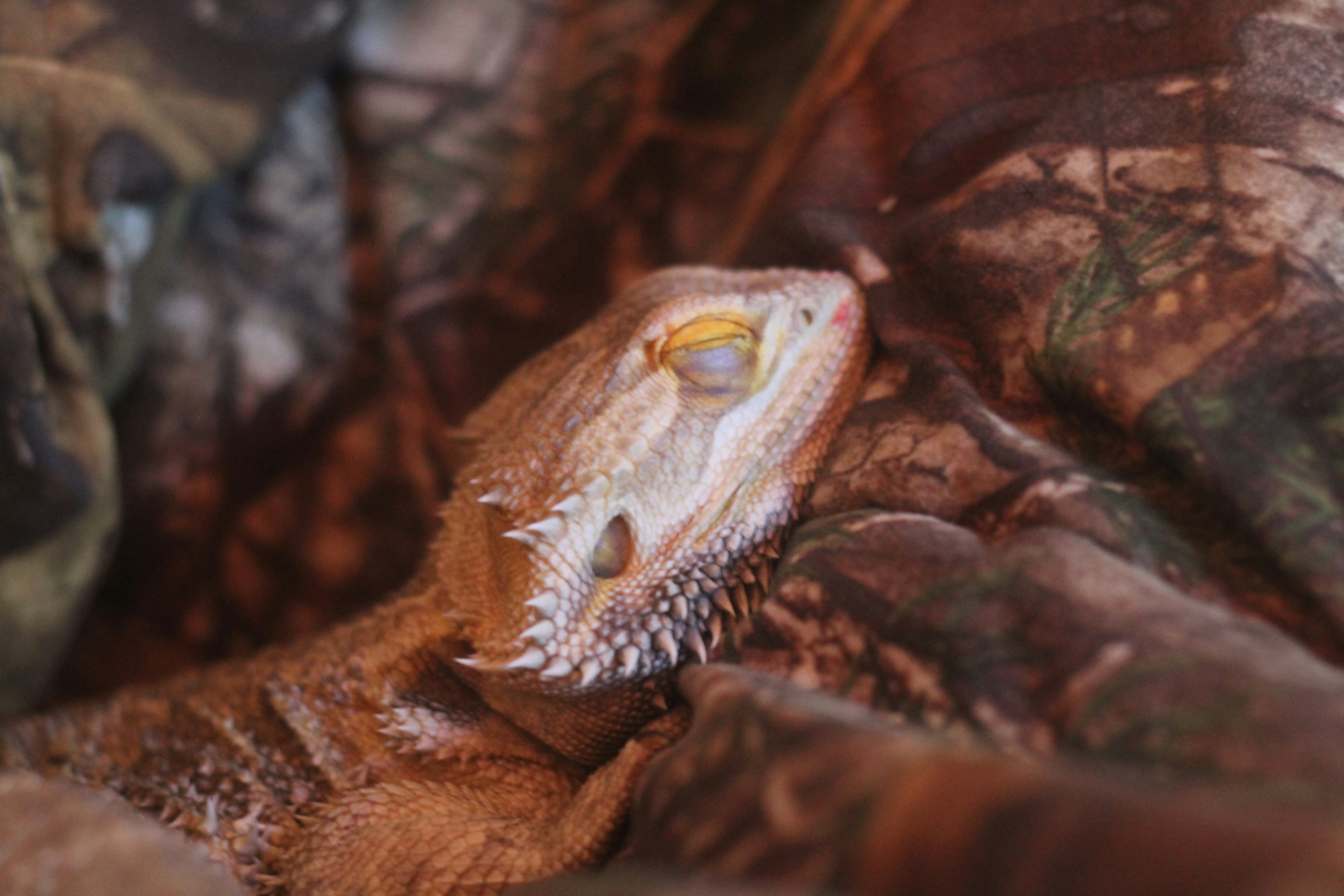
Biscuit at 11am sharp
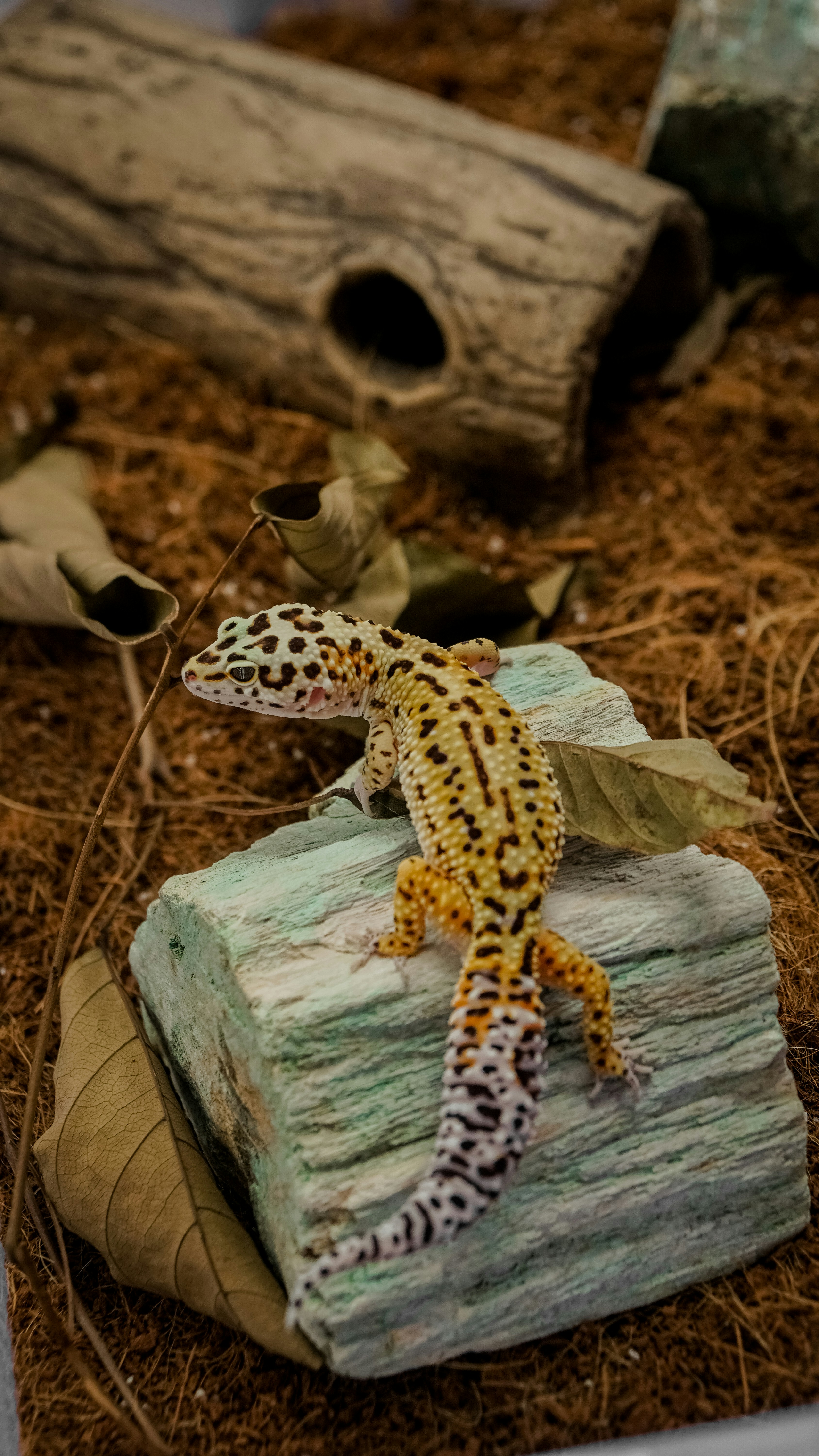
Chickpea says hi
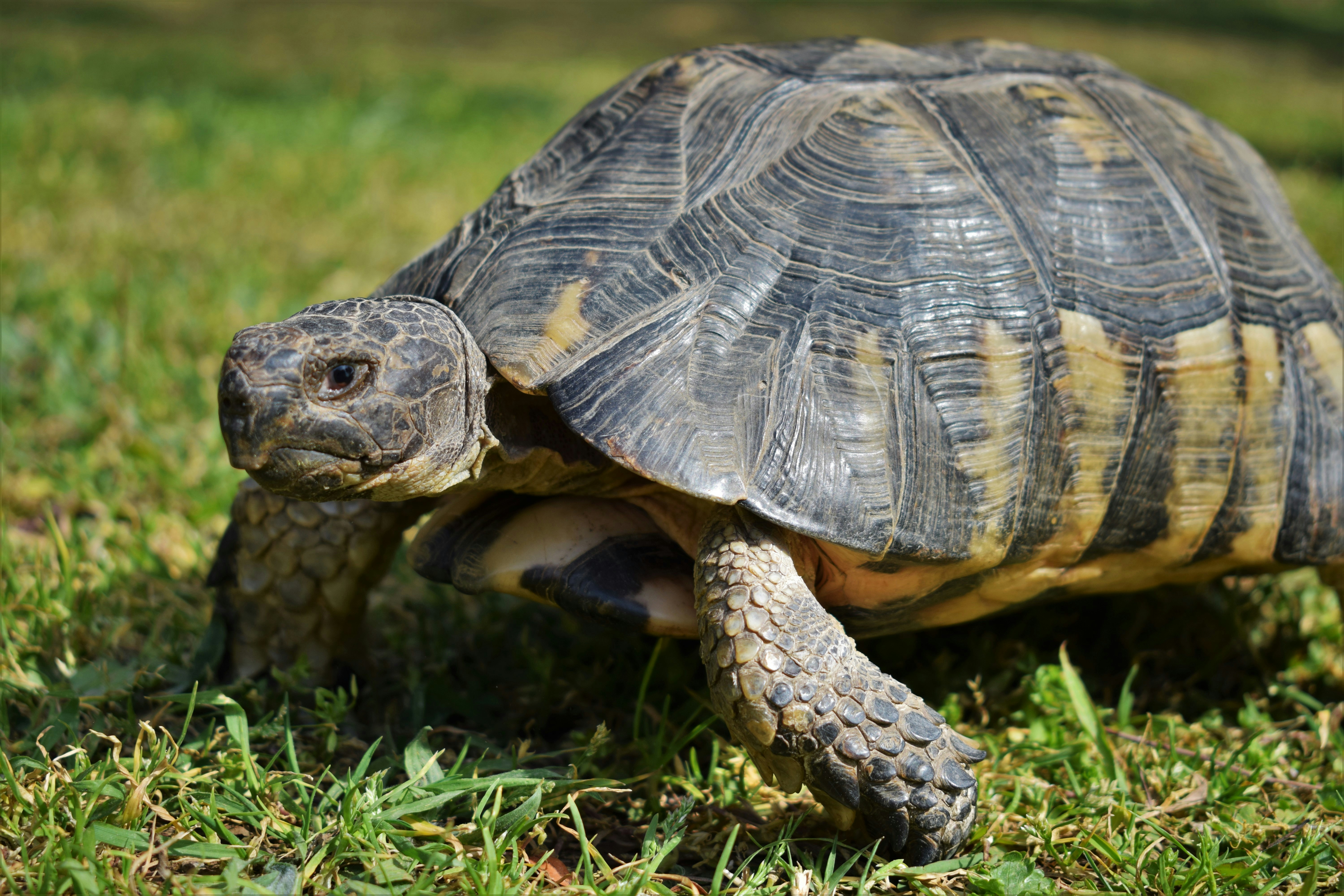
Archimedes, age 22
They're trying to
tell you something.
One-on-one behavior reads for bearded dragons, ball pythons, blue-tongued skinks — and every other animal your vet calls "fine."
Your worry, their language.
Every behavior that confuses or scares you has an explanation rooted in millions of years of evolution. Let's translate.
I called my vet in a panic. Cleo was just napping. I had no idea how to read her.
— Priya M., Cleo's person
"She won't come out of her hide. Something must be wrong."
She's thermoregulating perfectly — and that's genuinely great news.
Bearded dragons are crepuscular in the wild. When ambient temps drop below their preferred 95–110°F basking zone, retreating to a hide is *exactly* the right call. A dragon who hides midday in a well-set-up enclosure isn't sick — she's comfortable enough to rest. The tell is in the eyes: half-closed, soft, with no glass-surfing. That's a dragon who trusts her space.
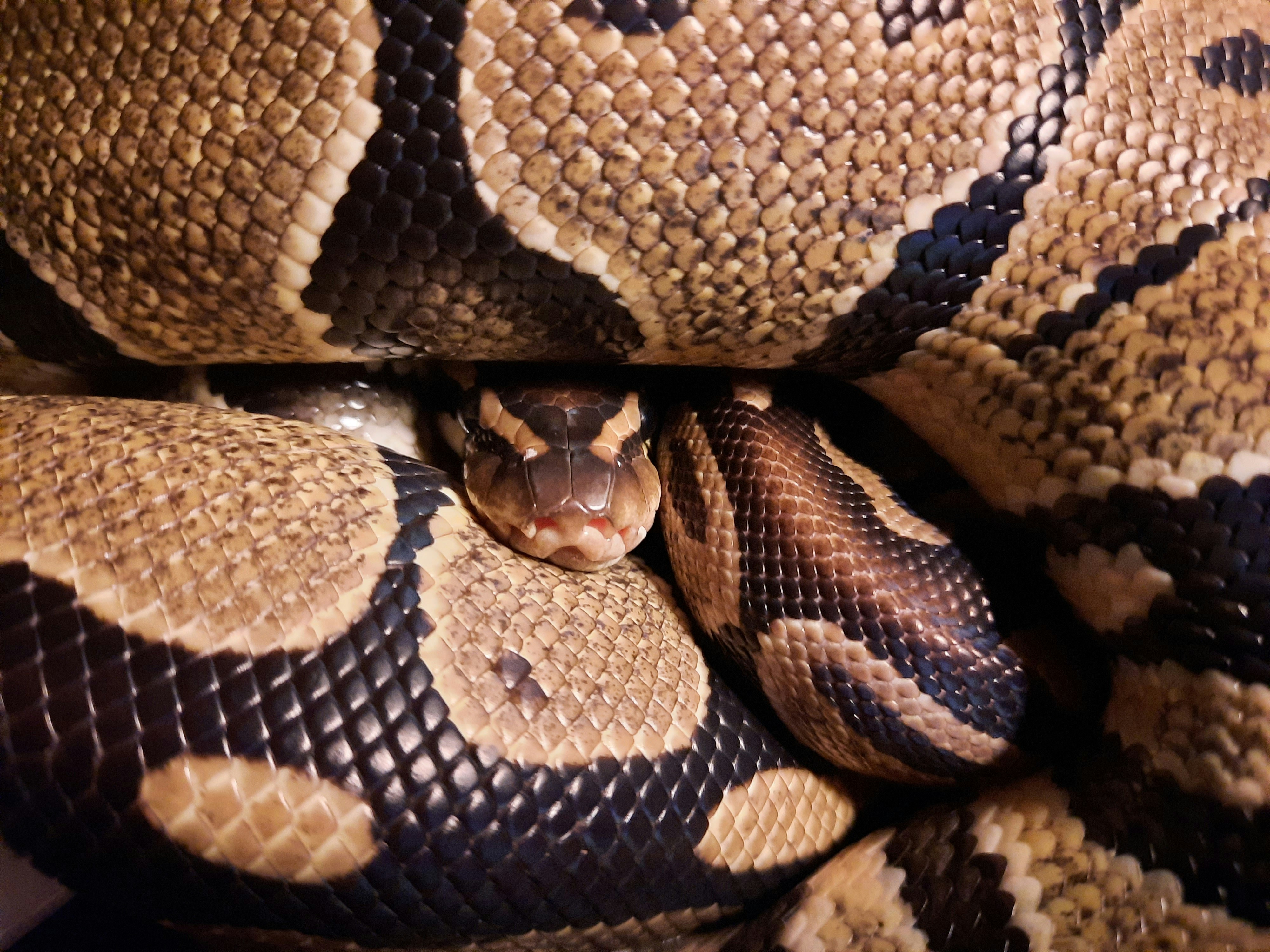
I thought Basil was sick for two years. Turned out he was just being very polite.
— Marcus O., Austin TX
"He keeps doing this weird slow arm-wave thing. Is he having a seizure?"
That's submissive signaling — he's telling a perceived rival he's not a threat.
Ball pythons inherited arm-waving from ancestors who needed to communicate non-aggression to larger animals. In captivity, he's likely responding to his own reflection, a new object in his space, or even your movement nearby. It's not distress — it's diplomacy. The wave paired with a flattened body and tucked chin is textbook submission. Pair this with a slow, deliberate approach from your side and watch his whole body language shift.
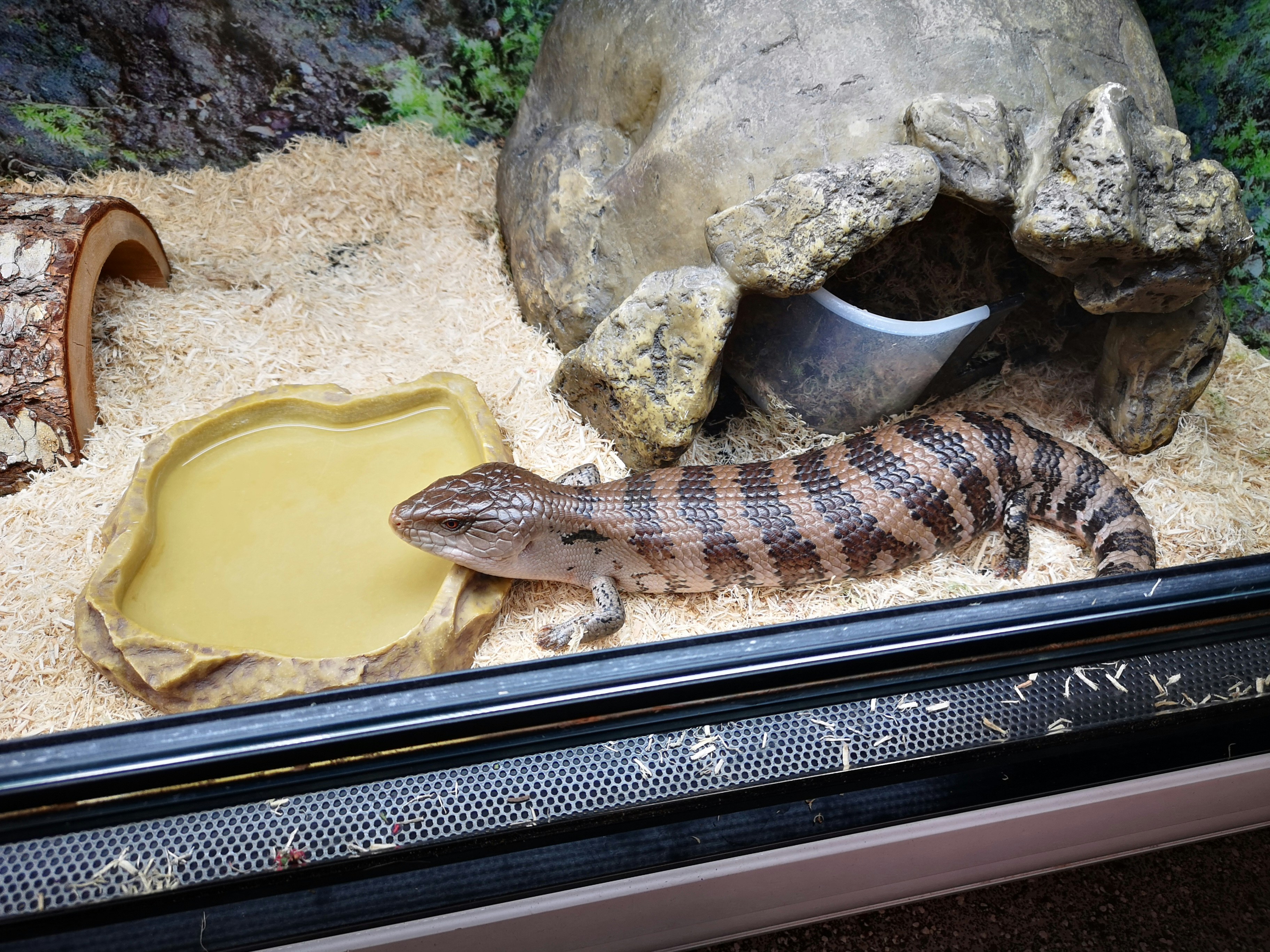
Cobalt hissed every single day for a month. After one session with Basking I understood why — and it stopped within two weeks.
— Rebekah T., Denver CO
"She hissed at me and flattened her whole body. She hates me."
That's a threat display — directed at a perceived predator. You approached too fast.
Blue-tongued skinks are prey animals with a spectacular bluff. The full threat display — flattened body (to look bigger), blue tongue extended, loud hissing — is reserved for genuine perceived danger. It doesn't mean she hates you. It means she doesn't yet have enough history with you to know you're safe. The fix is simple: approach from the side, not from above (predators come from above). Let her smell your hand before you pick her up. Give her three weeks of consistent, calm handling and watch that display disappear.
Stress vs. Contentment
A visual field guide to what your bearded dragon is actually saying. Tap any marker to learn more.
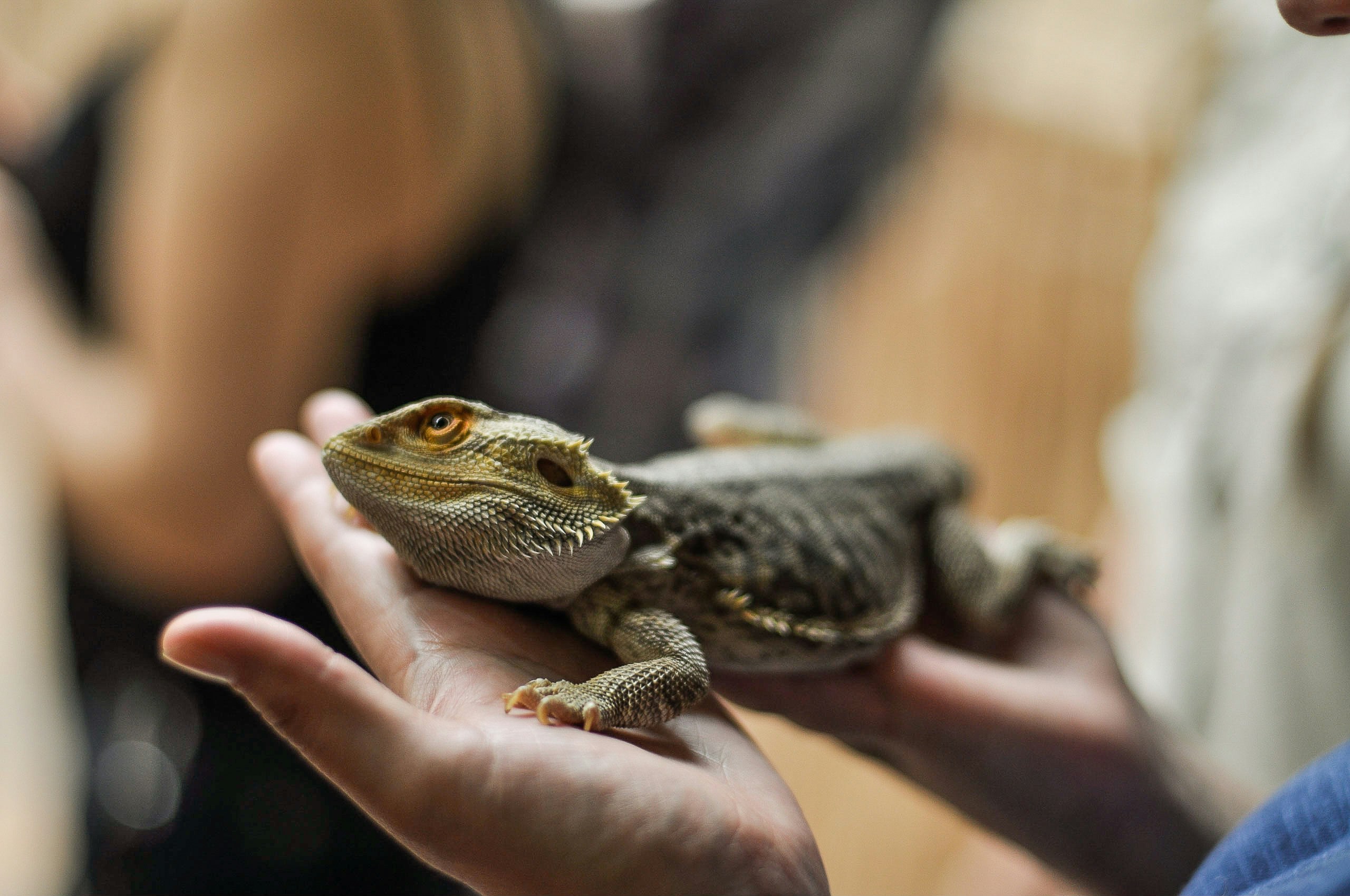
I started because nobody could tell me why my beardie was turning black at noon.
Turns out, she was thermoregulating in response to a temperature gradient that was 8°F too low on the cool side. A twenty-dollar thermometer and one afternoon of adjustment, and she never did it again. But I'd spent six months convinced she was sick.
I'm a certified reptile behavior consultant with a background in applied animal behavior. I work with bearded dragons, ball pythons, blue-tongued skinks, and most other commonly kept reptiles. I do one-on-one video sessions because I want to see your setup, watch your animal, and give you answers that are specific to your situation — not generic advice from a forum thread.
340+
Sessions completed
18
Species worked with
94%
Behavior resolved
48hr
Response time
Good questions deserve real answers.
We meet on video for 45 minutes. Before the call, I read your written description and any video you've sent. During the session, I'll ask you to show me your setup, observe your animal if possible, and we'll work through what the behavior means and what to change. You leave with a written summary and action steps.
Often the most useful sessions are the ones where the owner thinks nothing is wrong. Reptiles are stoic — by the time a problem is obvious, it's usually been building for weeks. If something feels off, trust that instinct.
Yes. I work with most commonly kept reptiles — monitors, tegus, chameleons, tortoises, uromastyx, various pythons and colubrids. If you're unsure, send me a quick message and I'll tell you honestly whether I can help.
I offer a free 15-minute follow-up call within 30 days of your session. Behavior change takes time, and I want to make sure the adjustments are working.
Vets are essential for health issues — infections, parasites, metabolic disease. I work with behaviors that are rooted in psychology, environment, and communication. The two are complementary. If I see something that looks medical, I'll tell you immediately.